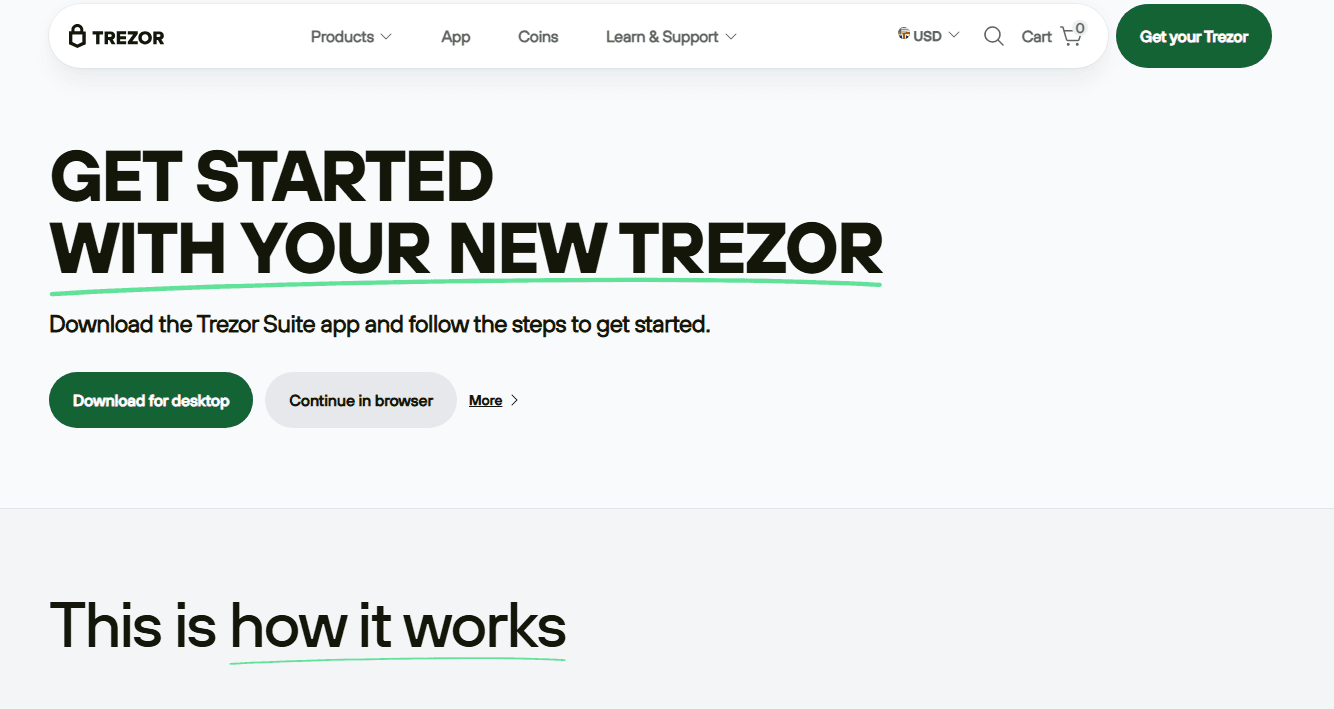
Trezor.io/Start: A Complete Guide to Safe Crypto Wallet Setup
Cryptocurrency security has become one of the most important priorities for investors and traders. Hardware wallets like Trezor are designed to keep digital assets safe by storing private keys offline. If you have purchased a Trezor device and want to set it up correctly, the official starting point is Trezor.io/start. This guide provides a detailed plan on how to begin the setup process, how to create or recover a wallet, and important safety practices to protect your crypto holdings.
What Is Trezor?
Trezor is a hardware wallet created by SatoshiLabs. It stores private keys offline, which means your crypto assets stay protected even if your computer is compromised. A hardware wallet is considered one of the safest options for digital asset storage because it reduces exposure to online attacks, phishing, and malware. Trezor devices support a wide range of cryptocurrencies and connect easily through USB to desktops or laptops.
Unboxing Your Trezor Device
When you receive your Trezor model, whether it is Trezor One or Trezor Model T, make sure the packaging is sealed and not tampered with. The contents usually include:
The Trezor hardware device
USB cable
Recovery seed cards
Instruction materials
If the seal looks damaged or something feels suspicious, stop the process and contact Trezor support before continuing. Ensuring that the device has not been altered by a third party is critical for your safety.
Starting Setup at Trezor.io/start
To begin the installation:
Connect your Trezor device to your computer using the provided USB cable.
Open your browser and go to Trezor.io/start.
Select your device model.
Install the required software, such as Trezor Suite.
The Trezor Suite application allows you to manage your crypto, check balances, send and receive funds, and update firmware. Always download software from official sources to avoid malicious applications.
Firmware Installation and Updates
Most new devices require a firmware installation before first use. Trezor.io/start will guide you through the update process. Firmware updates help ensure that your wallet includes the latest security improvements and supported coins. During installation, do not disconnect the device or shut down your system. After completion, the device will restart, and you can proceed to wallet creation.
Creating Your Trezor Wallet
Once the software is ready:
Select the option to create a new wallet.
The device will display your recovery seed.
Write the recovery seed down on the provided card.
Confirm the recovery seed on the device as instructed.
The recovery seed is the most important security element of your wallet. It is usually 12, 18, or 24 unique words in a specific order. This backup allows you to restore your wallet if the device is lost or damaged. Never store this seed digitally and never share it with anyone.
Understanding Your Recovery Seed
Your recovery seed is your ultimate key to your crypto funds. Some essential safety tips include:
Keep the card in a secure offline location.
Do not take photos or save a screenshot.
Do not enter the seed on any website or computer except through your Trezor device when required.
Consider using a metal backup for extra protection against fire or water damage.
Anyone who gains access to your recovery seed can take full control of your assets. Treat it like cash or jewelry, with maximum security.
Setting a PIN Code
During setup, you will be asked to create a PIN. This PIN protects your device from unauthorized physical access. Use a strong, hard-to-guess PIN and avoid repeating numbers or simple patterns. If someone attempts to guess the PIN repeatedly, the device increases the delay between attempts, providing extra security.
Adding Crypto Assets to Your Wallet
After setup, you can start managing your cryptocurrencies. To receive crypto:
Open Trezor Suite.
Select a supported coin.
Click “Receive.”
A wallet address will appear, which you can share with the sender.
Always verify the address shown on your device screen. This step ensures no malware has altered the address on your computer.
To send crypto, connect your device and confirm the transaction using the hardware button on Trezor. This ensures no transaction can be approved without your physical confirmation.
Best Security Practices for Trezor Users
To maintain long-term safety of your funds:
Keep firmware always updated.
Store your device and recovery seed separately.
Avoid using public or untrusted computers.
Enable additional passphrase protection if needed.
Be cautious of phishing emails or fake websites.
Trezor will never ask for your recovery seed online. Only enter the seed during an offline recovery process on your device.
Troubleshooting and Support
If you face any issues:
Refer to the support section within Trezor Suite.
Visit the help center through the official Trezor website.
Do not search random links online; scammers may imitate support pages.
Always rely on trusted resources when needing assistance.
Final Thoughts
Using Trezor with guidance from Trezor.io/start ensures that your digital investments are protected with the highest security standards. By keeping your private keys offline and controlling every transaction physically, you significantly reduce risk. Follow all security recommendations, maintain privacy, and treat your recovery seed with great care. With proper setup and safe usage practices, your Trezor hardware wallet will keep your cryptocurrency secure well into the future.